 0409 466 371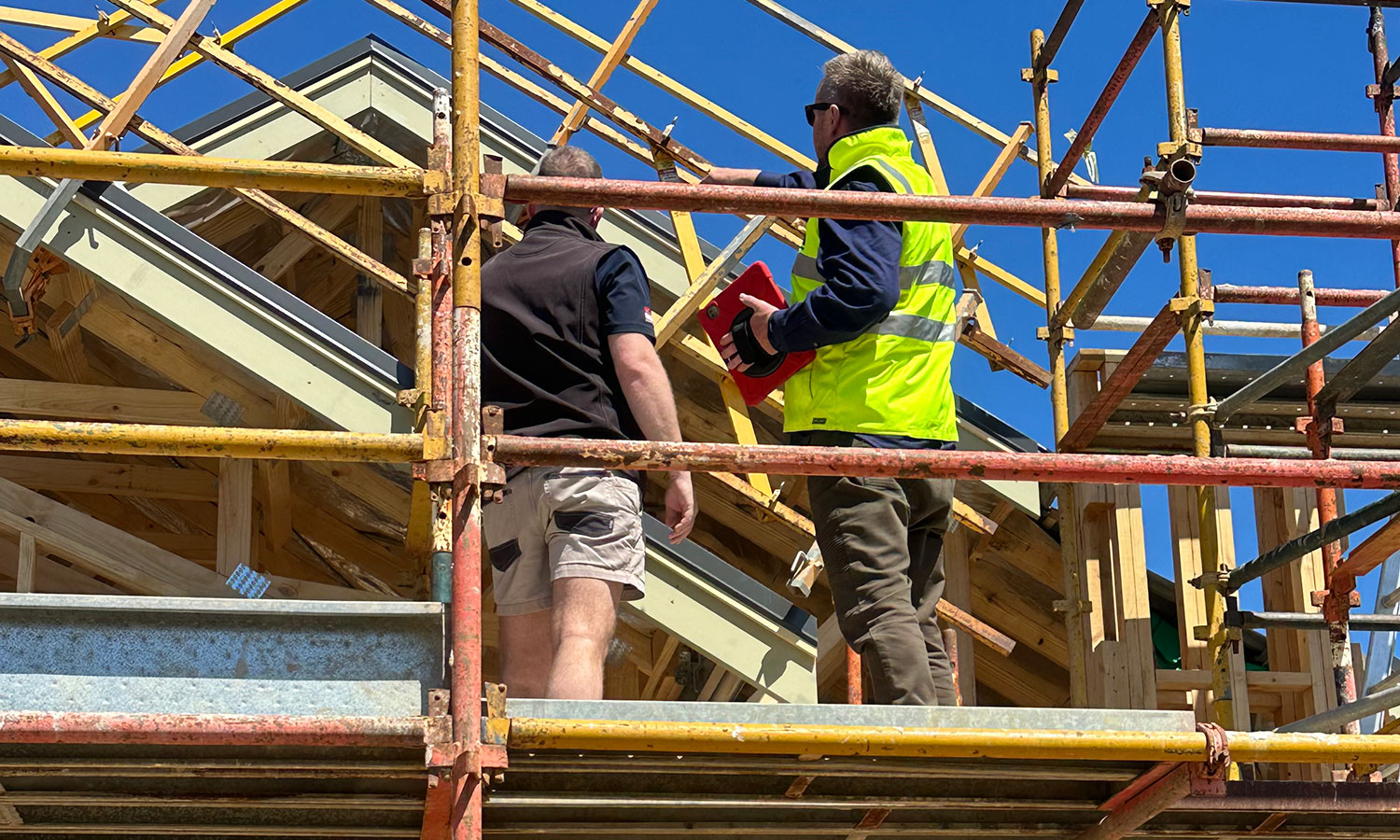
Building Inspections for New Homes in Geelong: The One Report That Matters
You’ve reached the final stage of your new home build. The builder assures you everything is complete, the house looks great, and all that’s left is to sign off and move in. But before you hand over that final payment, ask yourself: Have you had an independent inspection?
Many buyers assume that because their home is brand new, it must be perfect. But even in high-growth areas like Lovely Banks, Curlewis, and Bannockburn, rushed construction and last-minute trades can leave behind hidden defects that only become obvious once you’re living in the home.
A building inspection for a new home is your last line of defence before taking ownership. It ensures your home isn’t just finished—it’s built to standard and free from defects.
What Makes a New Home Inspection Different?
Unlike a pre-purchase inspection for an older home, a new home inspection isn’t about wear and tear. It’s about checking for construction errors, non-compliant work, and poor workmanship that could lead to costly repairs in the future.
Key Areas That Need Inspecting:
1. Structural and Framing Issues
- Misaligned walls and door frames
- Poorly secured roof trusses
- Foundation cracks that could indicate movement
2. Plumbing and Drainage Defects
- Water leaks around sinks, showers, and toilets
- Incorrectly installed stormwater drainage
- Hot water system connections that aren’t compliant
3. Electrical and Safety Compliance
- Faulty wiring or missing circuit breakers
- Power points that aren’t securely installed
- Smoke alarms that don’t meet regulations
4. Insulation and Ventilation
- Missing insulation in ceilings or walls
- Poor ventilation that leads to condensation and mold
- Windows and doors that don’t seal properly
5. Finishing Defects
- Uneven floors or gaps in tiling
- Paint and plastering imperfections
- Cabinetry and fittings that aren’t secured properly
These aren’t just cosmetic issues—they can affect the long-term safety, energy efficiency, and livability of your home.
Why You Shouldn’t Rely on the Builder’s Inspection
Most builders conduct their own final inspections, but these are designed to clear the job quickly, not necessarily to ensure everything is perfect.
The Problems With Builder Sign-Offs:
- Builders work to a deadline, not perfection. If they’re behind schedule, small defects may be ignored to speed up completion.
- Some defects don’t show up immediately. A rushed waterproofing job might seem fine now but could lead to leaks months later.
- Warranty repairs can be a hassle. If you don’t document defects before settlement, getting the builder to fix them later can be difficult.
Case Studies: Real Defects Found in New Home Inspections
Case Study 1: The Sloping Floor That Wasn’t Noticed Until Move-In
A couple in Lara moved into their brand-new home and noticed their dining chairs kept sliding toward one corner of the room. They assumed it was the furniture—until they called an inspector. The inspection revealed that the concrete slab wasn’t level, leading to uneven flooring throughout the house. Fixing it would have required significant work, but since they had already signed off, the builder refused responsibility.
Case Study 2: The Roof Insulation That Was Missing Entirely
A family in St Leonards moved in just before summer. Their home was boiling hot, even with air conditioning. An independent inspection revealed that large sections of the roof cavity were missing insulation. The builder had forgotten to install it in some areas, leaving the house exposed to heat loss. They were able to push for the issue to be fixed under warranty.
Case Study 3: The Plumbing That Wasn’t Connected Properly
A homebuyer in Drysdale had their final walkthrough with the builder and everything seemed fine—until they moved in and noticed the hot water system wasn’t working. A post-settlement inspection found that one of the main plumbing lines had never been connected properly, meaning they had no access to hot water. Because this was documented before the warranty period expired, the builder had to fix the issue at no cost to the owner.
When Should You Get a New Home Inspection?
Timing is critical for a new home inspection. The best time is before final payment, while the builder is still responsible for fixing any defects.
Recommended Inspection Stages:
- Pre-Handover Inspection – The most important check before settlement, ensuring the home is complete and defect-free.
- Post-Handover (Warranty) Inspection – Conducted 6 to 12 months after move-in, to catch defects before the builder’s warranty expires.
How to Choose the Right Inspector
Not all building inspectors specialise in new home inspections. To ensure a thorough, unbiased report, look for:
- Independence – The inspector should have no ties to builders or developers.
- Experience – They should have extensive experience in new construction assessments.
- Building Defect Reports – Detailed, clear reports with photos and recommendations.
- Fast Turnaround – You need results quickly to address issues before settlement.
At Inspection Hub, we focus on new home inspections in Geelong, ensuring buyers move into homes that are truly finished—not just handed over as quickly as possible.
Final Thoughts: Don’t Move in Without This Step
A new home is a major investment, and builders don’t always get it right. Before you take ownership, an independent inspection gives you the confidence that your home is built properly, and if it’s not, you have the proof to get it fixed.
Key Takeaways:
- Even brand-new homes can have major defects.
- Builder sign-offs focus on completion, not quality.
- A pre-handover inspection gives you leverage to have defects fixed before final payment.
- A post-handover inspection ensures hidden issues are caught before the warranty expires.
If you’re building a new home in Geelong, protect your investment before it’s too late. Book a new home inspection today and move in with peace of mind.
